Software engineering for renewable energy: why the energy transition needs a new IT architecture
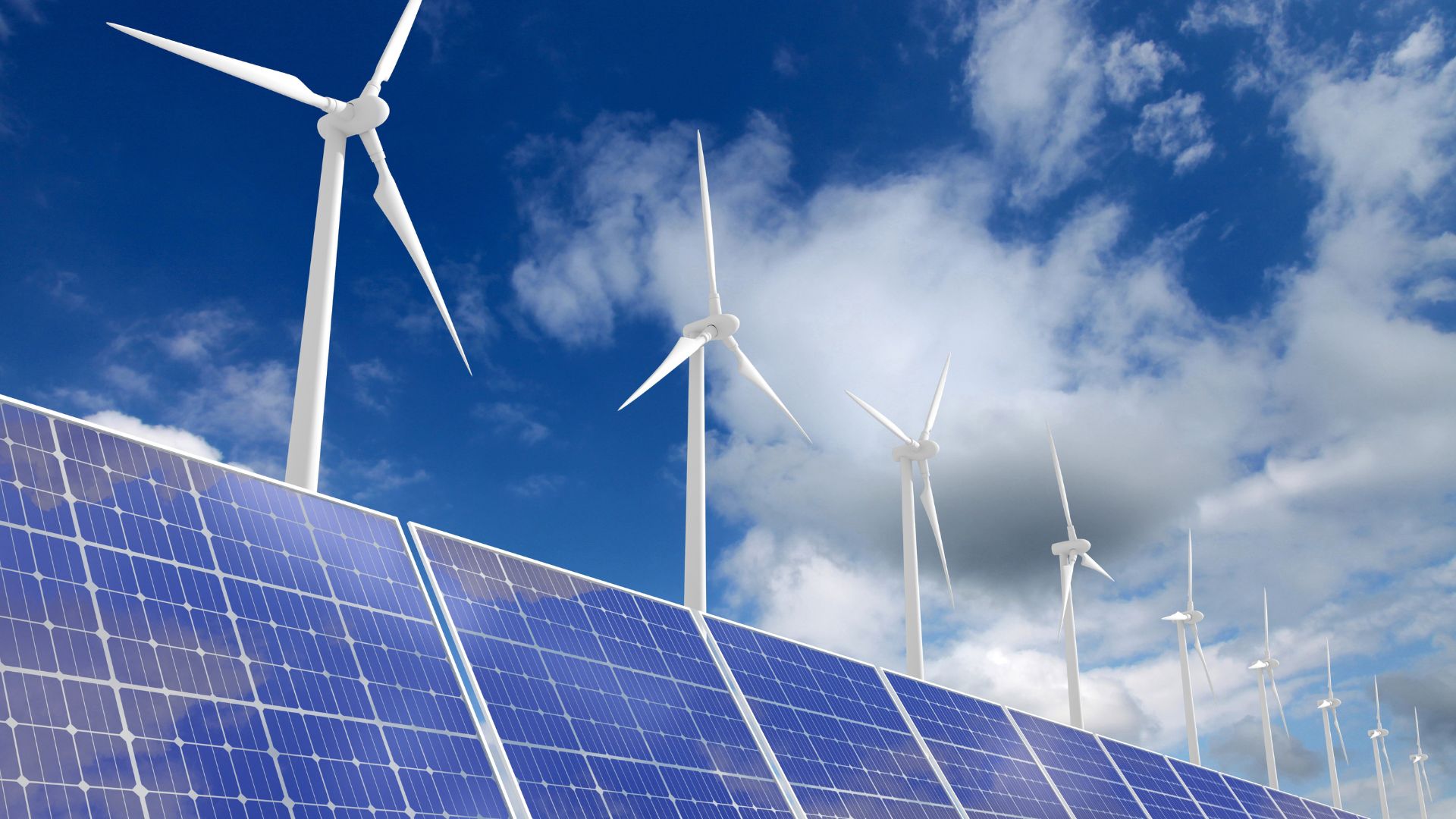
At its core, the energy transition is a data problem. Not because there is a shortage of sun or wind, but because both sources produce volatile, decentralized, and difficult-to-predict feed-in volumes that must be managed by an energy system originally designed for predictable large-scale power plants. With over 1.6 million decentralized generation facilities in Germany alone, the challenge is no longer an engineering one, but rather a software one: How can wind, solar, battery storage, heat pumps, and electric mobility be coordinated in real time so that the grid remains stable, surpluses are put to good use, and costs are reduced?
The answer lies in custom-built software that takes the unique characteristics of renewable energy into account in its architecture from the very beginning. And in development partners who view the energy industry not just as a market, but as a specialized field.
Teile diesen Beitrag:
Teilen Sie diesen Beitrag:
What makes renewable energy different from a software perspective
Conventional power plants provide predictable power on demand. Wind and solar power plants do not. Their output depends on the weather, time of day, season, and local microclimate, and can fluctuate significantly within short time frames. For software systems, this means they must not only collect actual data but also process forecast data, respond to deviations, and make control decisions in real time.
Added to this is decentralization. While a traditional power plant is a single data source, a modern energy system consists of thousands of interconnected units: solar panels on commercial rooftops, wind farms in rural areas, home storage systems in residential neighborhoods, and charging stations in business parks. Each of these units generates data that must be integrated into an overall picture. Software designed to accomplish this requires scalable data architectures, robust IoT integration, reliable interfaces, and the ability to process and analyze millions of data points in real time.
And then there’s regulation. Redispatch 2.0, the Renewable Energy Sources Act, market communication in accordance with BDEW standards, NIS2 requirements for critical infrastructure: Software systems in the energy sector must not only function technically but also remain compliant with regulations, even as the regulatory landscape is constantly changing.
Forecasting, control, integration: the three core functions of software in the renewable energy sector
Those who develop software for renewable energy operate in three closely interrelated areas.
The first is forecasting. Generation forecasts for wind and solar power plants form the basis for schedule management, balancing group settlement, and economic planning. Modern forecasting systems combine weather data, historical feed-in curves, and machine learning models to predict expected generation on an hourly and daily basis. The quality of these forecasts directly determines how efficiently an energy supplier can operate in the balancing power market and how high the balancing power costs will be.
The second area of responsibility is real-time control. Battery storage systems need to know when to charge and when to discharge. Feed-in management systems must curtail generation before the grid becomes overloaded. Virtual power plants aggregate decentralized generators and make their combined output available as a controllable total capacity. All of these tasks require software systems that combine low latency, high availability, and clear control logic. In this context, outages are not merely operational disruptions; they are regulatory and economic problems.
The third area of focus is integration. Energy systems are rarely greenfield projects. In practice, modern feed-in software interacts with legacy control centers, ERP systems of various generations, market data systems, and customer portals. The ability to develop integration layers that connect modern and legacy systems without disrupting ongoing operations is often the critical bottleneck on the path to digitalization.
Digital twins and AI: the current state of development
Two technologies are currently having a particularly significant impact on the renewable energy software landscape: digital twins and AI-driven optimization.
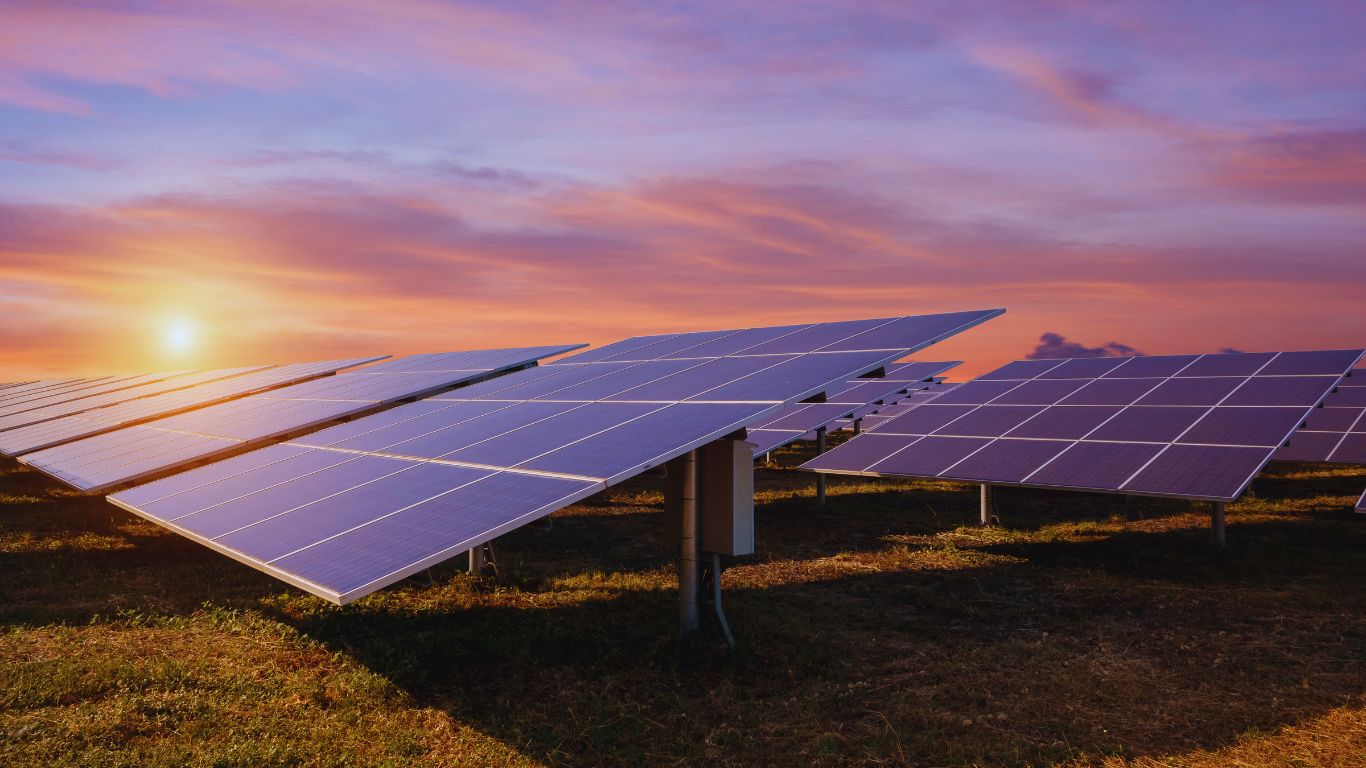
Digital twins are virtual representations of real-world facilities and networks that make it possible to simulate operating conditions, run through scenarios, and test control decisions before they take effect in reality. For grid operators managing decentralized feed-in points, digital twins are a tool that allows them to plan grid expansion scenarios, identify bottlenecks, and prepare for the integration of additional renewable energy facilities without placing a strain on the physical grid.
Artificial intelligence, in turn, makes it possible to generate load forecasts with significantly greater precision based on weather data, historical consumption, and factors such as self-generation from solar panels and electric vehicle charging cycles. AI models detect patterns that traditional rule-based systems overlook and adapt to changing conditions without needing to be manually reconfigured. The result is systems that not only react but also control operations proactively.
Both technologies place high demands on software engineering: clean data architectures as a foundation, robust APIs for data exchange, modular system designs that allow for expansion, and teams that combine technical expertise with industry knowledge.
What a software development partner needs to be able to do for the energy transition
The specific requirements of renewable energy cannot be met by a generic development partner. Industry expertise is not an optional bonus but a functional necessity. Anyone who doesn’t know what Redispatch 2.0 is, how balancing groups work, or what distinguishes a virtual power plant from a simple aggregation service will develop software that is technically sound but operationally unusable.
At the same time, developers must take the regulatory framework into account. NIS2 and the KRITIS umbrella law apply to large parts of the energy sector. Cybersecurity requirements, data protection regulations, and auditability are not afterthoughts, but integral components of every system architecture. In regulated environments, “security by design” and “privacy by design” are not optional – they are the standard.
Then there’s the technical side: scalable cloud architectures or hybrid models that keep critical data on-premises, IoT integration for heterogeneous sensor environments, robust API layers for connecting to market communication systems, and real-time-capable backend systems that remain stable under load. These aren’t specialized topics—they’re the foundation.
BAYOOTEC: Software engineering for the energy transition – driven by conviction
BAYOOTEC has been developing software for the energy industry for over 20 years – not as a side project, but as one of the industry’s core areas of focus. Some of our developers and architects bring academic expertise in the energy sector to the table, which means that at BAYOOTEC, the challenges of redispatch, feed-in management, smart metering, and decentralized control aren’t explained, they’re taken for granted.
Together with our sister company UID, we develop digital solutions from a single source: technically sophisticated, user-centered, and tailored to the operational needs of energy providers, municipal utilities, and operators of renewable energy facilities. Our range of services extends from IoT integrations and data platforms to AI-based forecasting systems, as well as customer portals and mobile applications for field service.
We understand that downtime is not an option in the energy industry, that regulatory requirements are constantly changing, and that good software not only works but is also maintainable and scalable over the long term. This is reflected in our architectural philosophy, our agile development processes, and what our customers ultimately put into operation.
If you’d like to know how we would tackle specific challenges in your company, whether it’s integrating decentralized generation facilities, replacing Excel-based processes, or building a data platform for real-time monitoring: We’re here for an initial discussion, no lengthy presentations, just technical substance.